What Is Hydro Excavation? A Complete Guide to Non-Destructive Digging
Hydro excavation is the safest, most precise method for digging around buried infrastructure. By combining pressurized water and a powerful vacuum, it exposes underground utilities without the strike risk of mechanical digging — keeping projects safe, on schedule, and compliant.
How Hydro Excavation Works
Two forces — water and vacuum — do what backhoes can't: dig precisely without damaging what's underground.
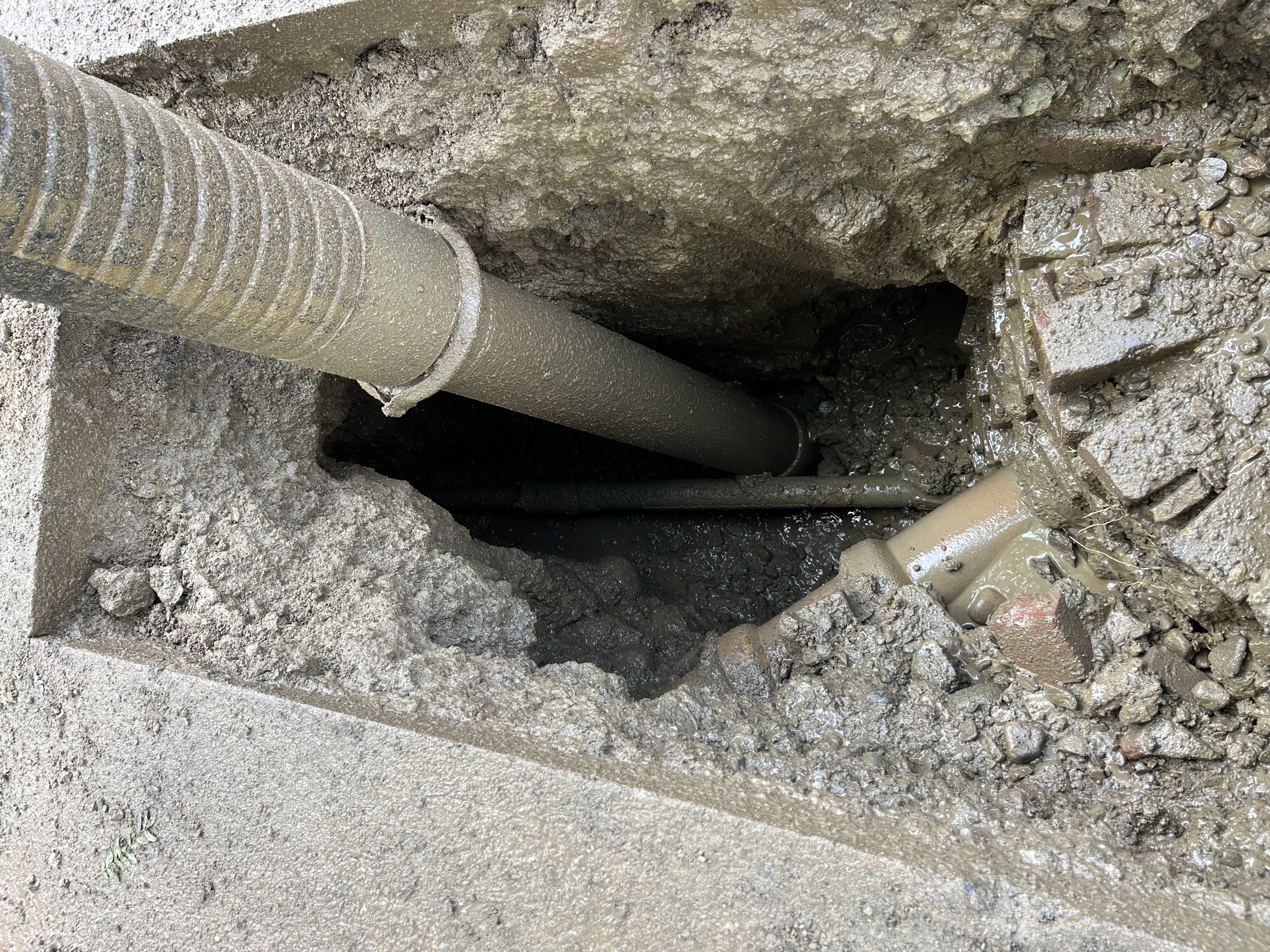
A hydrovac truck pressurizes water and directs it through a handheld wand or boom to break up soil. The loosened material — now a slurry of soil and water — is simultaneously vacuumed through a large hose into a sealed debris tank on the truck. Because the cutting force is water, not metal, buried utilities are exposed intact rather than struck. The result is a clean, controlled excavation that leaves surrounding infrastructure, roots, and structures untouched.
Modern trucks like the Truvac APXX and Vermeer VXT 600 carry 12-yard debris tanks and 1,200-gallon water tanks, with heated water systems that cut through frozen ground and remote-hose reach for confined spaces. This means fewer trips, longer run times, and the ability to work year-round in any condition.
Pressurized Water Cuts
High-pressure water (up to 3,000 PSI) liquefies the soil without damaging buried utilities, pipes, or conduit.
Vacuum Removes Slurry
A powerful vacuum transfers the liquefied soil and water into a sealed debris tank on the truck — no spoil piles left on site.
Utilities Exposed Safely
Buried gas, electric, fiber, water, and sewer lines are exposed intact for verification, inspection, or repair.
Clean, Fast Handoff
The site is left clean and ready for the next crew, with full spoil haul-off and minimal surface disruption.
Why Hydrovac Replaces Mechanical Digging
Every year, utility strikes cause injuries, outages, and costly project delays. Hydro excavation removes the root cause.
Strike Prevention
Water can't cut a gas line or sever a live conductor. Hydrovac is the industry-standard method for exposing live utilities safely.
Surgical Precision
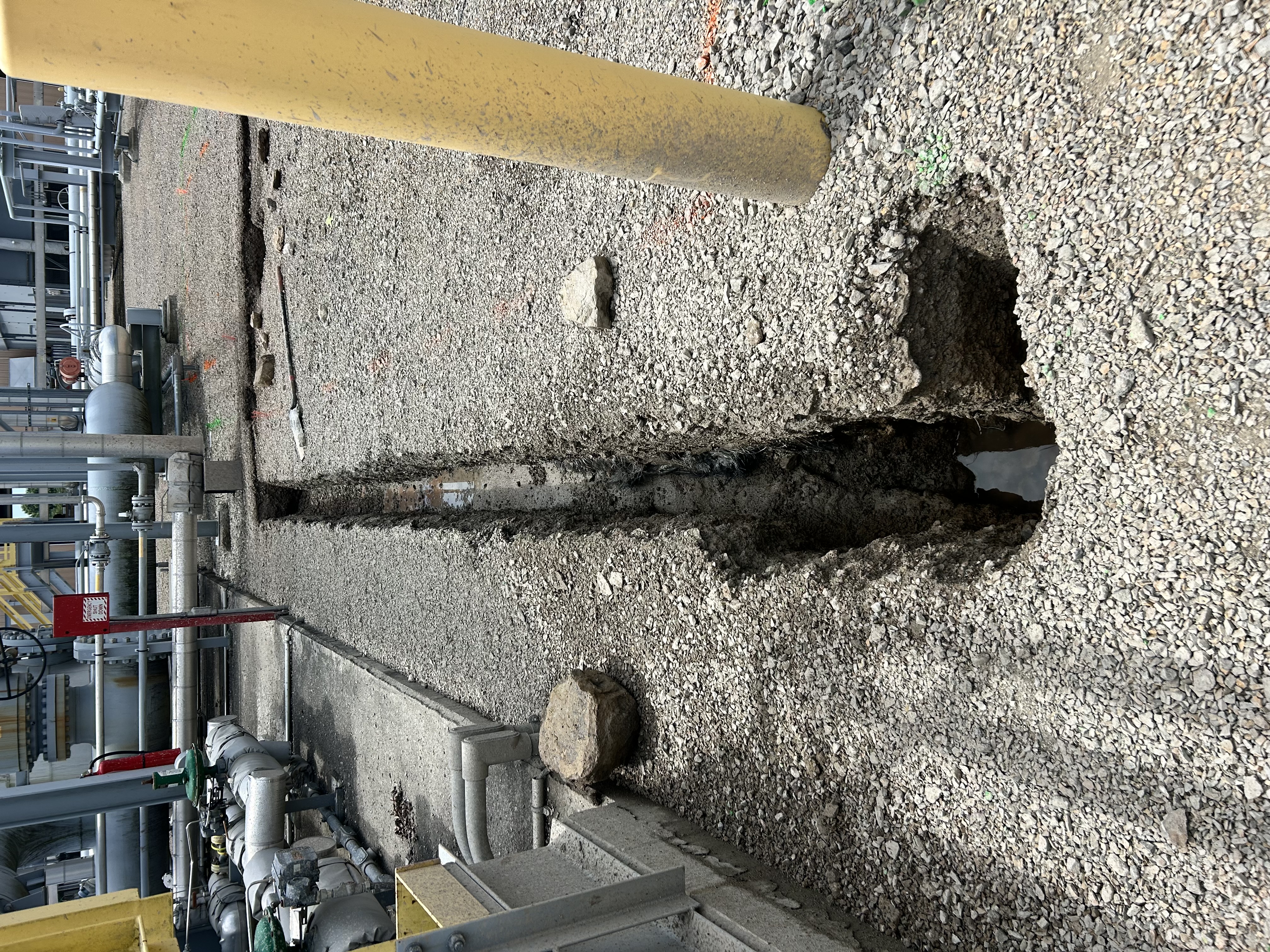
Narrow test holes and clean-walled trenches mean minimal surface disruption, less backfill, and lower restoration cost.
Year-Round Capability
Heated water thaws frozen ground that stops backhoes cold, keeping winter schedules on track across Ohio and the region.
Common Hydrovac Applications
From a single pothole to miles of trench, hydro excavation supports nearly every underground construction need.
- Utility daylighting and potholing to verify exact depth and location of buried lines
- Slot trenching for conduit, cable, and small-diameter utility installation
- HDD (horizontal directional drilling) support and bore-path verification
- Remote-hose excavation for confined spaces, indoor work, and tight-access sites
- Emergency response for utility strikes, leaks, and urgent exposure
- Cold-weather excavation through frozen ground using heated water systems
Choosing a Hydrovac Contractor
Not every operator brings the same experience — here's what matters when the dig is critical.
Experience Underground
Hydrovac is only as safe as the crew running it. ABI Hydrovac is a division of American Boring Inc., backed by 30+ years of underground construction experience. Because underground construction is our business, we know what's underground — and what happens before, during, and after the project.
Fast, Guaranteed Response
When a utility strike happens or a schedule slips, response time is everything. We offer guaranteed fast mobilization with 24/7 dispatch, serving Ohio, West Virginia, Pennsylvania, Kentucky, and Indiana from our Central Ohio base at 6895 Pickerington Road, Carroll, OH 43112.
Have a dig that can't risk a strike?
Tell us about your jobsite — we'll match the right truck and crew.

