Hydrovac Safety & Utility Strike Prevention
Every underground dig carries the risk of striking a buried utility — a hit that can cause injury, service outages, regulatory penalties, and project shutdowns. Hydro excavation is the industry-standard method for preventing those strikes, and a disciplined safety protocol is what separates a competent crew from a dangerous one.
Why Strike Prevention Matters
The buried-infrastructure landscape is crowded, aging, and poorly documented — mechanical digging near it is a bet you don't want to take.
Beneath every jobsite runs a dense network of gas mains, live electrical conductors, fiber-optic cable, water and sewer lines, and aging infrastructure whose as-built records are often inaccurate. A single backhoe tooth striking a high-pressure gas line or a live conductor can trigger an evacuation, a multi-day outage, and serious injury in seconds.
Hydro excavation removes that gamble. Because the cutting force is water — not steel — buried utilities are exposed intact for visual verification, depth confirmation, and safe repair. Combined with 811 one-call coordination and OSHA-aligned trench safety practices, it is the most defensible way to dig near critical infrastructure.
Non-Destructive Method
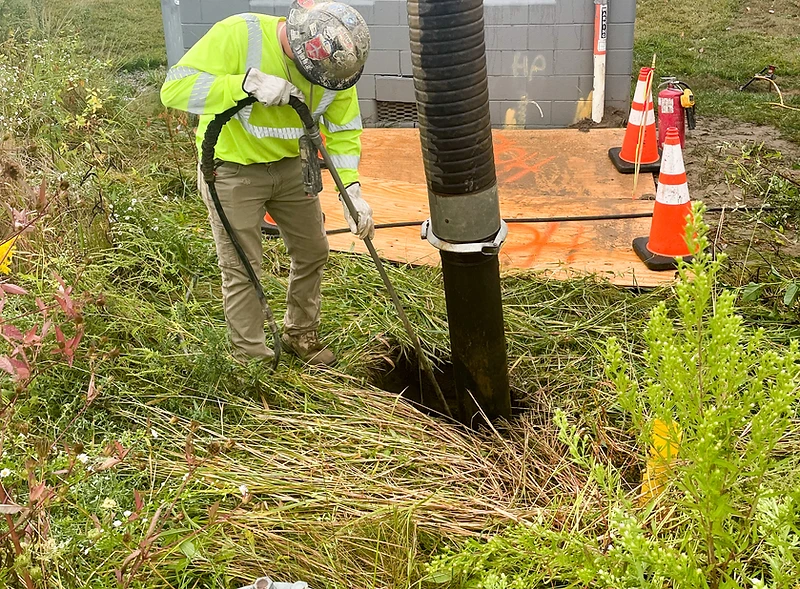
Pressurized water and vacuum expose buried utilities without metal-on-metal contact, drastically reducing the strike risk that backhoes and excavators carry on every dig.
OSHA-Aligned Practices
Crews follow OSHA excavation standards (29 CFR 1926 Subpart P) for trench safety, soil classification, protective systems, and competent-person oversight on every jobsite.
ISNetworld Compliance
Full safety documentation, insurance certificates, training records, and EMR data are maintained and ready for utility, industrial, and enterprise contractor onboarding.
Emergency Response
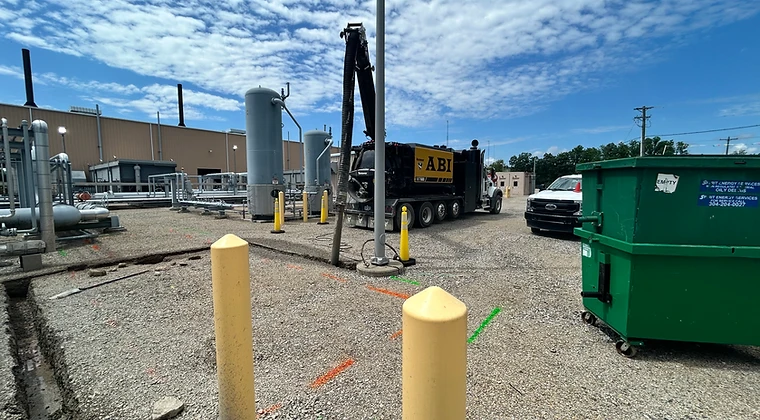
24/7 dispatch mobilizes trucks for utility strikes, leak exposure, and urgent daylighting — fast response that prevents a small incident from becoming an outage.
Our Safety Protocol on Every Dig
A repeatable sequence that protects crews, the public, and the utilities beneath the surface.
- 01Pre-dig coordination with facility owners and 811 one-call to confirm known utility locations
- 02Test potholes at critical crossings to verify exact depth and horizontal position before mechanized work
- 03Positive verification of gas, electric, fiber, water, and sewer lines exposed intact, not struck
- 04Spoil removed directly to a sealed debris tank, eliminating open trench piles that conceal hazards
- 05Clean handoff — site left inspection-ready for the next crew with minimal surface disruption

Planning a dig near live utilities?
We'll send the right truck and a crew that follows protocol.